
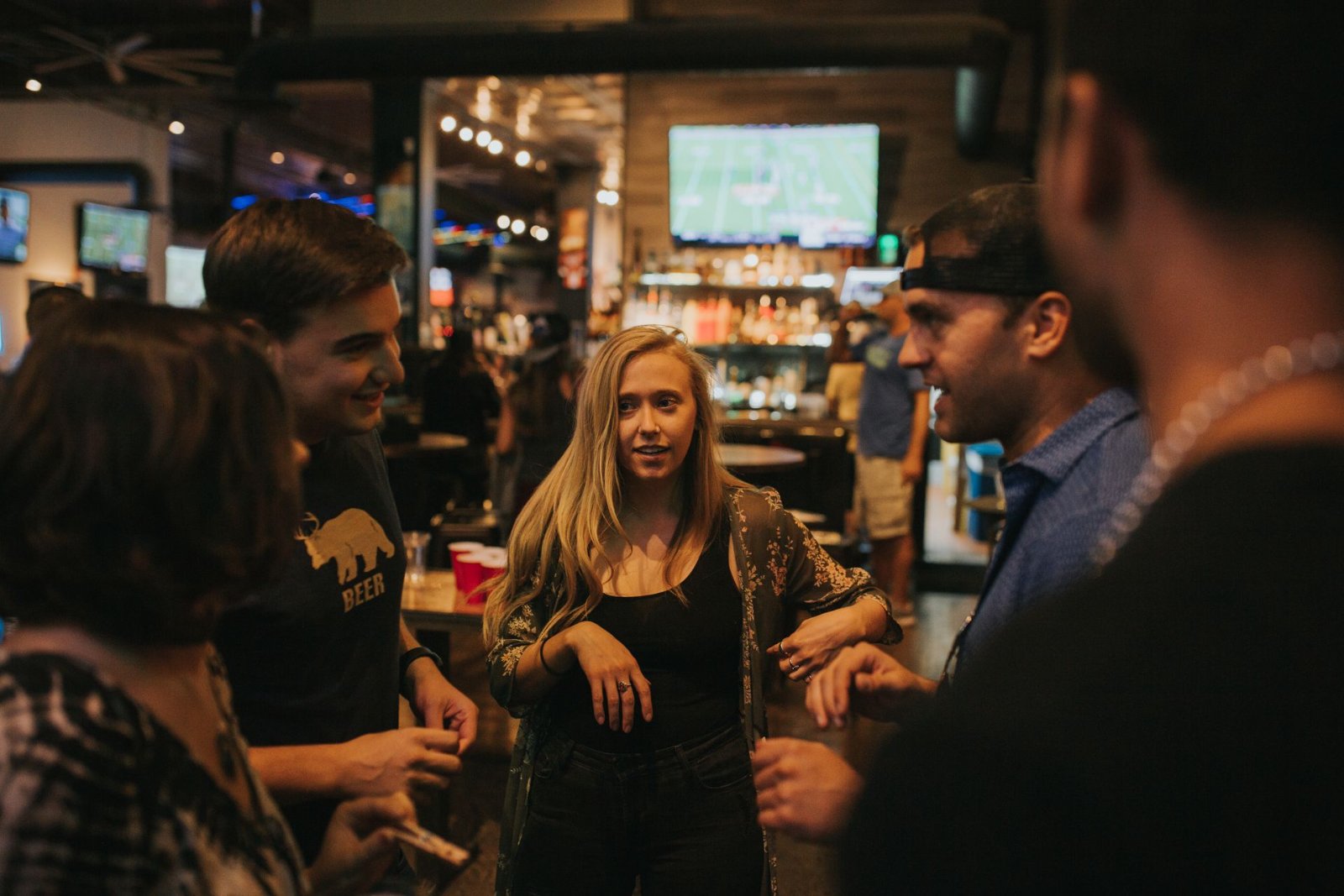
If you’ve ever finished a bar crawl in Denver’s vibrant RiNo or LoDo district and felt an inexplicable sense of joy that seemed to go far beyond the drinks themselves, you’re not imagining things. There’s genuine neuroscience at work behind those electric Friday night adventures — and understanding it might just change how you think about social drinking, brain health, and why humans are so drawn to communal experiences in the first place.
Welcome to a deep dive into the fascinating intersection of social neuroscience, dopamine chemistry, and the surprisingly complex world of bar crawls. Whether you’re a curious neuroscience enthusiast, a Denver local who loves hitting the town with friends, or someone who’s wondered why group outings feel so fundamentally different from drinking alone at home, this article is for you.
Understanding Dopamine: The Brain’s Reward Messenger
Before we can talk about bar crawls, we need to talk about dopamine — one of the most misunderstood neurochemicals in popular culture. Dopamine is often called the “feel-good chemical,” but that’s a bit of an oversimplification. More accurately, dopamine is a neurotransmitter deeply associated with reward anticipation, motivation, learning, and reinforcement. It’s not just released when you feel pleasure; it’s released when your brain predicts that something rewarding is about to happen.
Dopamine operates through several key pathways in the brain. The mesolimbic pathway, often called the “reward pathway,” connects the ventral tegmental area (VTA) to the nucleus accumbens and plays a central role in how we experience motivation and pleasure. The mesocortical pathway connects the VTA to the prefrontal cortex, influencing decision-making, planning, and emotional regulation. Understanding these systems is key to understanding why social bar crawls feel so uniquely rewarding.
The Anticipation Effect: Why Getting Ready Matters
Here’s something remarkable: your dopamine system begins firing before you even step foot in the first bar. The act of planning a bar crawl — texting your friends, choosing an outfit, looking up the stops — triggers dopamine release in the brain’s reward circuits. This anticipatory dopamine surge is one of the reasons why the excitement of planning an event can sometimes feel as good as the event itself.
Research from neuroscientist Wolfram Schultz at Cambridge University has shown that dopamine neurons respond more strongly to the cue predicting a reward than to the reward itself. In practical terms, this means that the moment you confirm your spot on a Denver bar crawl with Barcrawlerz, your brain is already celebrating. The novelty, the social anticipation, and the structured unpredictability of visiting multiple venues all prime your dopamine system for a sustained, layered release throughout the evening.
Social Bonding and the Neurochemical Cocktail of Group Experiences
Bar crawls aren’t just about the alcohol — and the science backs this up emphatically. When humans engage in shared social experiences, especially those involving movement, novelty, laughter, and synchronized behavior, the brain releases a complex cocktail of neurochemicals that goes well beyond what alcohol alone could produce.
Oxytocin: The Trust and Bonding Hormone
Oxytocin, sometimes called the “love hormone” or “bonding hormone,” is released during positive social interactions. Physical proximity, eye contact, shared laughter, and even synchronized movement — all common features of a bar crawl — trigger oxytocin release. This neurochemical strengthens social bonds, increases feelings of trust, and creates a sense of belonging that is genuinely protective for mental health.
Studies published in journals like Psychoneuroendocrinology have consistently shown that oxytocin release during positive social interactions can reduce cortisol (the stress hormone) levels, lower blood pressure, and even modulate the brain’s fear response. In Denver’s tight-knit social scene, where community and outdoor culture are deeply valued, the social bonding that happens on a well-organized bar crawl can have measurable psychological benefits.
Serotonin and the Sense of Social Status
Serotonin, another key neurotransmitter, is closely linked to feelings of social belonging and self-esteem. When we feel accepted, valued, and included in a group — as typically happens during a well-organized social event — serotonin levels rise. This contributes to the warm, contented feeling that often follows a successful night out with friends.
Interestingly, research suggests that serotonin levels are influenced not just by social acceptance but by perceived social rank within a group. Being part of a fun, inclusive group experience — the kind that organizations like Barcrawlerz specialize in creating in Denver — can elevate serotonin in ways that translate to improved mood and reduced anxiety in the days following the event.
Endorphins and the Laughter Connection
Robin Dunbar, the British anthropologist famous for “Dunbar’s Number” (the theory that humans can maintain stable social relationships with about 150 people), has conducted fascinating research on laughter and endorphin release. His work suggests that laughter — especially the kind of genuine, uncontrolled laughter that happens in group social settings — triggers endorphin release in a manner similar to physical exercise.
Bar crawls, particularly in a city like Denver where the culture tends toward the warm, irreverent, and community-oriented, are essentially endorphin-delivery machines. The shared jokes, the funny moments at each new venue, the collective experience of navigating a new neighborhood together — all of this drives endorphin release that compounds with the dopamine and oxytocin already flowing.
How Alcohol Interacts With the Dopamine System
It would be intellectually dishonest to discuss bar crawls without addressing the role of alcohol in the neurochemical equation. Alcohol is a psychoactive substance with well-documented effects on the brain’s reward circuitry, and understanding these effects is essential for making informed choices about drinking.
Alcohol’s Direct Effect on Dopamine Release
Alcohol stimulates dopamine release in the nucleus accumbens, the brain’s primary reward center. This is one of the core mechanisms behind alcohol’s rewarding properties and, at higher doses and frequencies, its addictive potential. However, the relationship between alcohol and dopamine is more nuanced than a simple “alcohol = dopamine = pleasure” equation.
At low to moderate doses, alcohol enhances dopamine release by inhibiting GABA receptors and stimulating the release of beta-endorphins, which in turn trigger dopamine neurons. This creates the initial euphoric, socially uninhibited feeling many people associate with the first drink or two of an evening. The key word here is “initial” — because as the evening progresses and alcohol consumption increases, the dopamine system begins to down-regulate, and the neurochemical picture becomes considerably more complicated.
The Tolerance Trap: How Repeated Alcohol Use Changes Dopamine Sensitivity
One of the most important concepts in addiction neuroscience is neuroadaptation — the brain’s tendency to adjust its chemistry in response to repeated stimuli. With repeated alcohol use, the dopamine system undergoes changes that reduce its baseline sensitivity. In other words, the same amount of alcohol produces less dopamine release over time, leading to the well-known phenomenon of tolerance.
More concerning is the impact on baseline dopamine function. Research has shown that chronic heavy drinking can reduce the density of dopamine D2 receptors in the striatum, making it harder for the brain to experience pleasure from everyday activities. This is part of the neurobiological basis of alcohol use disorder, and it’s one of the reasons why addressing drinking habits early — before significant neuroadaptation occurs — is so important.
“The goal isn’t to demonize social drinking, but to understand it clearly enough to engage with it in ways that support long-term brain health rather than undermining it.”
The Social Context Modifier: Why Bar Crawls Are Neurochemically Unique
Here’s where things get genuinely fascinating from a scientific perspective. The social context in which alcohol is consumed has a measurable impact on how the brain processes and responds to it. This isn’t just anecdotal wisdom — it’s supported by a growing body of research in social neuroscience and behavioral pharmacology.
The Role of Set and Setting in Alcohol’s Neurochemical Effects
The concept of “set and setting” — originally popularized in psychedelic research by Timothy Leary and later rigorously studied in clinical contexts — applies equally to alcohol. “Set” refers to the mindset of the individual, and “setting” refers to the social and physical environment. Research has consistently shown that the same dose of alcohol produces different subjective and physiological effects depending on these contextual factors.
When alcohol is consumed in a positive, socially supportive, novelty-rich environment — like a well-organized bar crawl through Denver’s eclectic neighborhoods — the neurochemical effects are meaningfully different from drinking alone or in a stressful context. The positive social cues amplify dopamine and oxytocin release, while reducing cortisol. The result is a neurochemical profile that is more rewarding, more socially bonding, and potentially less likely to trigger the kind of stress-driven drinking patterns associated with problematic alcohol use.
Novelty, Exploration, and the Dopamine System
The brain’s dopamine system has a deep affinity for novelty. Encountering new environments, new people, and new experiences triggers dopamine release independent of any substance use. This is why bar crawls — which by definition involve moving through multiple different venues, encountering different atmospheres, and often meeting new people — are particularly potent dopamine stimulators.
In Denver, a city blessed with an extraordinary diversity of bars, breweries, cocktail lounges, and neighborhood establishments, the novelty factor of a well-curated bar crawl is especially high. Barcrawlerz, which specializes in organizing immersive bar crawl experiences across Denver’s most vibrant neighborhoods, essentially creates a structured novelty delivery system for the brain’s dopamine circuits. Each new stop is a new cue, a new prediction, a new dopamine spike — and the cumulative effect over the course of an evening can be genuinely extraordinary.
Long-Term Impact on Brain Chemistry: The Good, the Bad, and the Complex
The long-term effects of social drinking on brain chemistry are a topic of genuine scientific debate, and it’s important to approach this subject with nuance rather than oversimplification. The picture is neither entirely rosy nor entirely grim — it depends heavily on frequency, quantity, individual genetics, and the social context of drinking.
Potential Protective Effects of Moderate Social Drinking
A number of epidemiological studies have suggested that moderate social drinking may be associated with certain protective effects, particularly for mental health and social wellbeing. The key mechanisms appear to be related not to alcohol itself but to the social behaviors that often accompany moderate drinking — the strengthening of social bonds, the reduction of social anxiety, and the enhancement of community belonging.
Research published in journals including Adaptive Human Behavior and Physiology has found that social drinking in group contexts is associated with increased feelings of social bonding, reduced loneliness, and improved subjective wellbeing. These effects are mediated largely by the oxytocin and endorphin systems, and they represent genuine neurochemical benefits that persist beyond the evening itself.
In a city like Denver, where social isolation can be a real challenge for newcomers and long-term residents alike — particularly given the city’s rapid growth and constantly shifting demographics — the community-building function of organized social events like bar crawls shouldn’t be underestimated. The friendships formed, the networks built, and the sense of belonging cultivated during these events can have lasting positive effects on mental health and brain chemistry.
The Risk Side: When Social Drinking Becomes Problematic
It would be irresponsible to discuss the neurochemistry of bar crawls without honestly addressing the risk side of the equation. Alcohol is a potentially addictive substance, and the same dopaminergic mechanisms that make social drinking rewarding are the mechanisms that can, under certain conditions, contribute to the development of alcohol use disorder.
The key risk factors include frequency of heavy drinking, drinking as a primary coping mechanism for stress or negative emotion, genetic predisposition to addiction, and the gradual erosion of non-alcohol-related sources of dopamine and reward. When bar crawls transition from occasional, genuinely social events to regular, high-volume drinking occasions, the neurochemical calculus shifts significantly.
Research on alcohol use disorder consistently shows that the transition from social drinking to problematic drinking is associated with a progressive shift in the brain’s dopamine system — from reward-driven (drinking because it feels good) to relief-driven (drinking to avoid feeling bad). Recognizing this shift early is crucial for maintaining healthy brain chemistry and preventing the kind of neuroadaptation that underlies addiction.
Addiction Resilience: Building a Brain That Can Handle Social Drinking Healthfully
One of the most exciting areas of contemporary neuroscience is the study of addiction resilience — the neurobiological and psychological factors that protect individuals from developing problematic relationships with alcohol and other substances, even in the face of regular exposure. Understanding these factors is deeply relevant to anyone who participates in social drinking culture.
The Role of Diverse Reward Sources
One of the most robust predictors of addiction resilience is having a diverse portfolio of reward sources. When the brain has multiple, reliable pathways to dopamine and other neurochemical rewards — exercise, creative pursuits, meaningful relationships, professional achievement, nature, music, and more — it is considerably less vulnerable to the kind of reward pathway hijacking that underlies addiction.
Denver is, in many ways, an ideal city for building addiction resilience through reward diversity. The outdoor culture, the thriving arts scene, the world-class food and coffee culture, the strong community organizations — all of these provide abundant non-alcohol-related dopamine opportunities. People who balance their social bar crawl experiences with active engagement in Denver’s broader recreational and cultural ecosystem are essentially building neurochemical resilience with every hike, every concert, and every morning run along the Cherry Creek Trail.
Mindfulness, Metacognition, and the Prefrontal Cortex
The prefrontal cortex (PFC) — the brain’s executive control center — plays a crucial role in addiction resilience. The PFC is responsible for impulse control, decision-making, risk assessment, and the ability to override automatic behavioral responses. Practices that strengthen PFC function, including mindfulness meditation, cognitive behavioral therapy techniques, and regular reflective journaling, have been shown to enhance addiction resilience by improving the brain’s capacity for top-down regulation of the reward system.
In practical terms, this means that the simple act of being thoughtful and intentional about your drinking — setting limits before you go out, checking in with yourself during the evening, reflecting on how you feel the next day — actually strengthens the neural circuits responsible for healthy decision-making. It’s not just good advice; it’s neuroscience.
Social Connection as a Neurobiological Protective Factor
Perhaps the most powerful addiction resilience factor of all is genuine social connection. Research by neuroscientists including Nora Volkow, Director of the National Institute on Drug Abuse, has consistently shown that strong social bonds are among the most potent protective factors against addiction. The neurochemical basis for this is clear: when the brain’s oxytocin and serotonin systems are well-nourished through authentic social connection, the relative reward value of alcohol decreases.
This is one of the reasons why the social aspects of bar crawls — when they genuinely build community and deepen friendships rather than simply providing a vehicle for alcohol consumption — can actually contribute to addiction resilience rather than undermining it. Organizations like Barcrawlerz, which focus on creating genuinely social, community-oriented experiences in Denver, are in a position to contribute meaningfully to the social health of their participants.
“Real social connection — the kind that fills the oxytocin tank and makes you feel genuinely known and valued — is one of the most powerful neurobiological protections against addiction we know of.”
Practical Takeaways: How to Bar Crawl in a Brain-Healthy Way
All of this neuroscience is interesting in the abstract, but what does it actually mean for how you approach your next Denver bar crawl? Here are some evidence-based, practical insights for maximizing the neurochemical benefits of social bar crawls while minimizing the risks.
Prioritize the Social Over the Alcohol
Given everything we know about the neurochemistry of social experiences, the most important thing you can do is consciously prioritize the social aspects of a bar crawl over the drinking aspects. Focus on the conversations, the new people you meet, the neighborhoods you explore, the funny moments that will become shared stories. These are the experiences that drive the most durable and health-positive neurochemical responses — the oxytocin, the endorphins, the serotonin.
The alcohol can be part of the experience without being the point of it. When you shift your mental framing from “a drinking event” to “a social exploration event that includes some drinking,” you change not just your mindset but, over time, the actual neurochemical patterns associated with the experience.
Embrace the Novelty — It’s Good for Your Brain
Don’t just default to the same bars every time. The novelty-seeking function of the dopamine system is a feature, not a bug — and feeding it through genuine exploration is genuinely good for brain health. Denver’s bar scene is extraordinarily diverse, from the craft cocktail temples of Capitol Hill to the dive bar gems of the Highlands to the brewery-dense corridors of RiNo. Taking a guided bar crawl with a service like Barcrawlerz is a great way to access this novelty systematically, letting experts curate the experience while you focus on enjoying it.
Pace Yourself Strategically, Not Just for Safety
Pacing your alcohol consumption isn’t just about safety — it’s about optimizing the neurochemical experience. Drinking slowly and moderately across the course of an evening maintains a more stable, sustained dopamine release pattern than front-loading alcohol consumption. The goal is to stay in the zone where alcohol is gently enhancing social lubrication without crossing into the territory where it begins to impair the very social cognition and emotional responsiveness that makes the evening rewarding.
Stay Hydrated and Nourished
Dehydration and low blood sugar both impair dopamine function and amplify the negative effects of alcohol on brain chemistry. Eating a solid meal before a bar crawl and drinking water consistently throughout the evening isn’t just practical advice — it’s neurochemically sound. A well-nourished brain processes social experiences more richly and recovers from alcohol more efficiently.
Reflect on the Experience Afterward
One often-overlooked aspect of maximizing the long-term neurochemical benefits of positive social experiences is the practice of reflection. Taking time the next day to think about the meaningful moments of the evening, the connections made, the funny stories that emerged — this consolidates the positive memories and reinforces the neural pathways associated with social reward. It’s essentially free neurological maintenance, and it takes about five minutes.
Denver’s Bar Scene and the Community Science of Social Drinking
Denver is a particularly interesting city through which to examine the science of social bar crawls, because the city’s culture has several features that make it a kind of natural laboratory for the intersection of social neuroscience and nightlife.
Denver’s population skews young and highly educated, with a strong culture of outdoor activity, wellness consciousness, and community engagement. The city’s residents tend to be highly aware of health and lifestyle factors, which creates a social context in which mindful drinking is more normalized than in many other American cities. The thriving craft beer and cocktail culture means that the drinking itself tends to be more quality-oriented and less quantity-driven — a pattern that aligns well with the neurochemical case for moderate, savored consumption over rapid, volume-focused drinking.
The city’s geography also plays a role. Denver’s distinct, walkable neighborhoods — each with its own character, architecture, and bar scene — make it an ideal canvas for bar crawls that are genuinely exploratory and community-building. Moving from the industrial-chic bars of RiNo to the historic saloons of LoDo to the neighborhood gems of the Highlands creates exactly the kind of varied, novelty-rich experience that the dopamine system thrives on.
Barcrawlerz has built its reputation in Denver by understanding this geography and culture intuitively, creating bar crawl experiences that feel genuinely curated and community-oriented rather than simply logistically convenient. From a neuroscience perspective, this matters — the quality of the social experience, the sense of being guided through something special rather than just herded between venues, has real effects on the neurochemical outcomes of the evening.
The Future of Social Neuroscience and Nightlife Culture
As our understanding of social neuroscience deepens, there’s a growing opportunity for the nightlife industry to engage more thoughtfully with the science of human social behavior. The most forward-thinking event organizers and venue operators are beginning to recognize that their real product isn’t alcohol — it’s neurochemically rich social experience. Alcohol is one input into that experience, but it’s far from the only one, and it’s not necessarily the most important one.
This shift in perspective has implications for everything from event design to responsible service practices to the way social drinking culture is marketed and discussed. A bar crawl that is designed with the social neuroscience in mind — maximizing novelty, facilitating genuine connection, creating shared experiences that generate endorphins and oxytocin — is not just more fun. It’s more aligned with long-term brain health and addiction resilience.
In Denver, where the culture is already moving in a more wellness-conscious direction, this kind of neuroscience-informed approach to nightlife feels particularly timely. The question isn’t whether people will continue to enjoy social bar crawls — they will, because the neurochemical pull is powerful and real. The question is whether they’ll do so in ways that support their long-term brain health or undermine it.
Conclusion: Science, Community, and the Joy of Shared Experience
The science behind dopamine release during social bar crawls is genuinely fascinating — and genuinely reassuring, at least for those who approach these experiences thoughtfully. The neurochemical rewards of shared social exploration, genuine human connection, novelty-seeking, and laughter are real, measurable, and meaningful. When alcohol is part of the picture, it adds its own layer of neurochemical complexity — one that can enhance the experience at moderate levels but carries real risks at higher frequencies and quantities.
The key takeaway is that the most neurochemically valuable thing about a great bar crawl isn’t the drinks — it’s the people, the places, the shared stories, and the sense of belonging. These are the experiences that nourish the brain’s social reward systems, build genuine resilience against addiction, and contribute to the kind of long-term wellbeing that no amount of alcohol could produce on its own.
If you’re in Denver and looking for a bar crawl experience that genuinely delivers on the social and exploratory dimensions — one that gives your dopamine system all the novelty, community, and shared joy it’s designed to seek — Barcrawlerz is worth a serious look. They’ve been building community through carefully curated Denver bar crawl experiences that understand, even if intuitively, what the neuroscience is now confirming: that the best nights out are the ones that make you feel more connected, not less.
So go out, explore your city, laugh with your people, and let your dopamine system do what it was designed to do. Just do it with intention, with awareness, and with a genuine appreciation for the extraordinary neurochemical machinery that makes it all possible.